
We Now Accept CDCP Payments. Call Us Today!
What Is Pediatric Dentistry and Why Is It Important for Kids?
Many parents ask what makes a pediatric dentist different from a general dentist. Pediatric dentistry focuses on the oral health of children from infancy through adolescence. It centers on how teeth grow, how the jaw develops, and how early habits affect long-term oral health. Because children are growing, their teeth and jaws change rapidly and require ongoing evaluation.
Baby teeth support normal chewing and speech development while preserving space for the adult teeth that will follow. If a cavity or infection is not treated, it can cause pain, difficulty eating, and sleep problems. An untreated infection in a primary tooth may spread to the developing adult tooth beneath the gums.
Seeing children at a young age allows earlier identification and treatment of changes in tooth development.
What Happens During Children’s Dental Visits
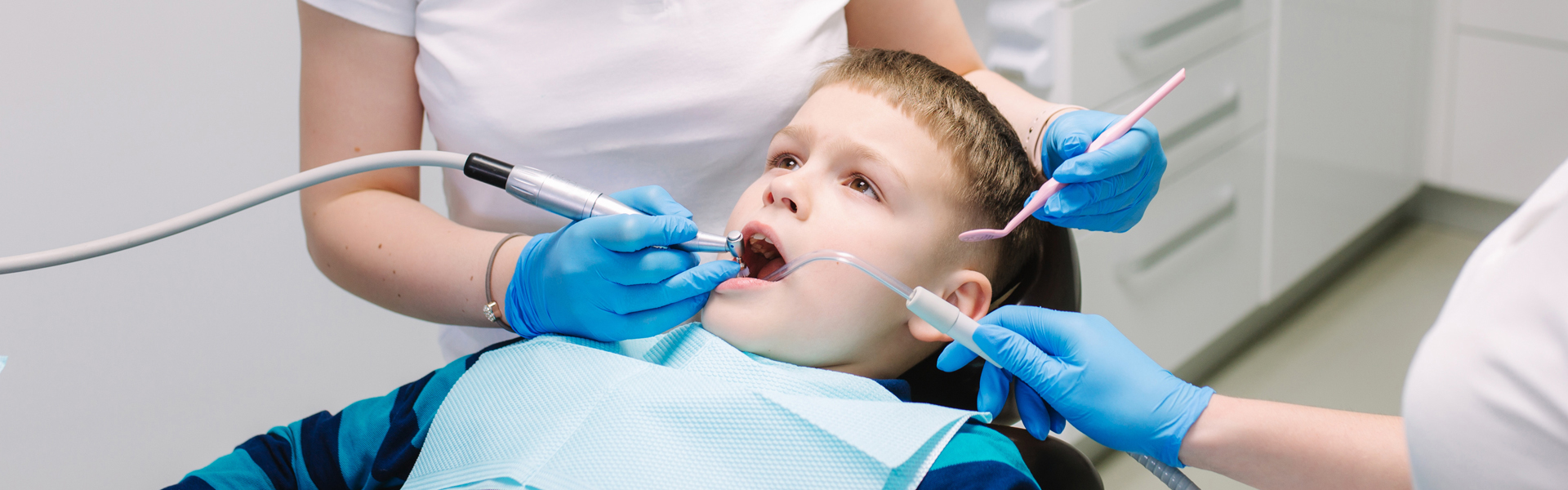
A typical visit includes an exam, cleaning, and a review of the development of the teeth and gums. The dentist checks for cavities, signs of gum inflammation, and bite changes. X-rays are taken when needed to check the development of permanent teeth beneath the gums.
Much of the appointment focuses on reducing the risk of cavities through preventive care. Fluoride may be applied during the visit to reduce the risk of cavities by strengthening the enamel. Dentists may apply a thin coating to molars to reduce the chance of food and bacteria settling into hard-to-clean areas.
The dentist also discusses brushing habits, flossing, and diet. Regular exposure to sugar increases the risk of cavities, especially in young patients whose enamel provides less protection than that of adults.
When treatment is required, such as placing a filling or removing a loose baby tooth, the dentist explains the steps in simple language. Clear explanations help reduce fear and allow the child to understand what is happening. Reducing discomfort and keeping the child calm are important parts of safe pediatric dental treatment.
Training Beyond Dental School
After dental school, pediatric dentists complete additional training focused on children’s oral health. This includes education in child development, behavior guidance, and the treatment of patients with special health needs. They learn how to manage dental care for very young children and those who may feel anxious.
Their additional education includes understanding how teeth and jaws develop over time. Early signs of crowding, delayed eruption, or bite problems can often be identified during routine visits. When necessary, the dentist may recommend seeing an orthodontist at the right stage of development.
Children with medical conditions such as asthma, diabetes, or developmental disorders may require modified care. Pediatric dentists are trained to review medical history carefully and adjust treatment plans to protect the child’s overall health.
Caring for Children at Every Stage
Pediatric dentists see children from infancy through the teenage years. Babies may come in for early checkups once their first tooth appears. These visits help parents learn proper cleaning techniques and feeding guidance to prevent early childhood cavities.
School-age children often need monitoring for cavities and bite development. As adult teeth begin to come in, the dentist checks spacing and alignment. Teenagers may need evaluation for wisdom teeth or sports-related dental injuries.
If you are looking for a dentist near you for your child, pediatric dentists tailor their care to a child’s age and comfort level. Younger children require different communication than teenagers. Each stage of growth requires a different focus.
Helping Kids Feel Comfortable
Children may feel nervous about dental visits, especially if they do not know what to expect. Pediatric dentists use clear explanations and calm communication to help children feel safe. Instead of using complex terms, they describe tools and procedures simply.
The dentist also observes the child’s behavior during the visit. If a child appears anxious, the treatment pace may be adjusted. Positive experiences can lessen anxiety and encourage consistent visits.
Parents are included in the conversation. The dentist reviews the findings, explains any concerns, and guides home care. Following these recommendations helps maintain oral health between visits.
Why Early Dental Care Matters
Children’s cavities can spread faster than adult cavities because baby teeth have thinner enamel. Untreated decay can lead to infection, swelling, and pain. Early visits increase the likelihood that concerns are identified before they become more complex.
Regular exams also help monitor jaw growth and bite development. If issues are detected early, treatment can often be simpler. Waiting too long may allow problems to become more complex.
When choosing a dentist in Bradford, ON, for your child, select a provider who understands how growth and behavior influence oral health. At Holland River Dental, children’s care focuses on prevention, education, and careful monitoring as your child grows.
Routine appointments lower the risk of decay and other preventable dental problems.