
We Now Accept CDCP Payments. Call Us Today!
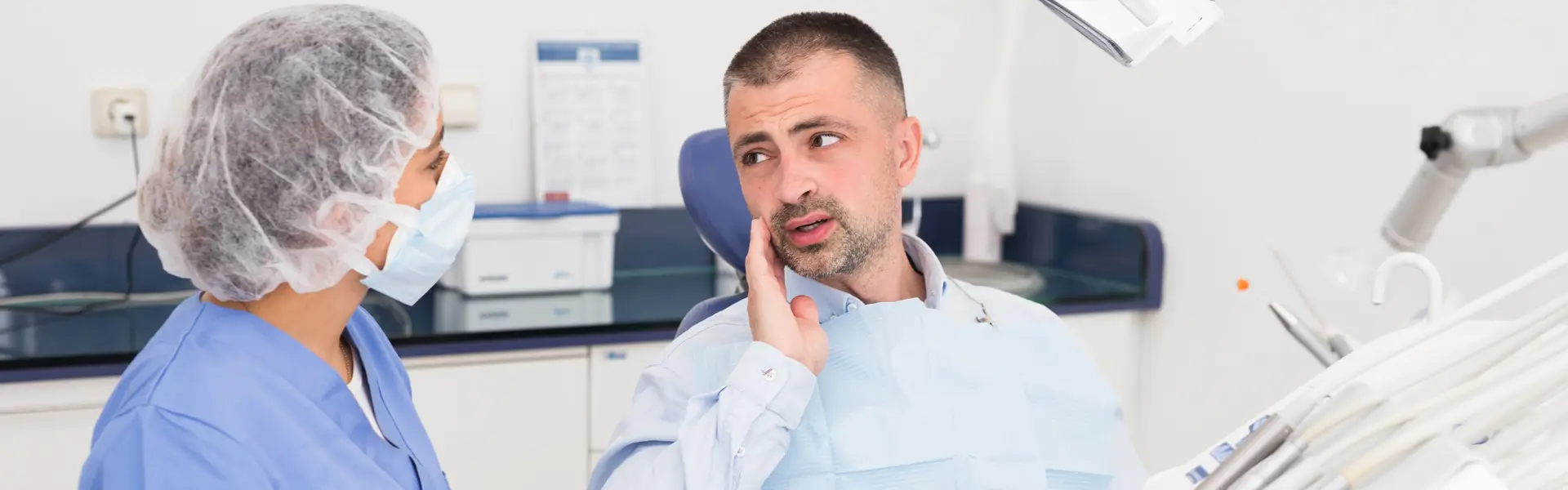
How Emergency Dentistry Helps Prevent Serious Oral Health Problems
Dental emergencies often involve bacterial infection, trauma to tooth structure, or inflammation affecting the nerve inside the pulp chamber. During an urgent appointment, the dentist examines gum tissue, checks for swelling around the tooth root, and reviews imaging to identify damage to bone or surrounding structures. An emergency dentist in Bradford first determines whether bacteria have reached the pulp, which contains the tooth’s nerve and blood vessels. Infection extending beyond the root tip can irritate surrounding bone and soft tissue. Care at this stage focuses on identifying the source of infection, stabilizing the tooth when possible, and determining whether removal of infected tissue is necessary for healing.
Stopping Infections Before They Get Worse
Tooth infections usually begin when bacteria enter through deep decay, fractures, or gaps between the tooth and gum tissue. Once bacteria reach the pulp, inflammation develops around the nerve. Pressure inside the pulp chamber increases, and bacteria may travel through the root canal toward the surrounding bone.
During examination, several findings help guide treatment decisions:
- swelling in the gum or facial tissue
- tenderness when pressure is applied to the tooth
- fluid drainage near the gum margin
- bone changes are visible on radiographic imaging
If infection is present inside the pulp chamber, treatment may involve opening the tooth to relieve pressure and remove infected nerve tissue when the pulp is no longer viable. Antibiotic therapy may be indicated when infection extends through soft tissue or when swelling affects nearby anatomical spaces. After the infection is controlled, a dentist in Bradford ON, may review follow-up imaging to assess bone recovery and confirm that surrounding tissues are stabilizing.
Saving Broken or Knocked-Out Teeth
Physical trauma can damage enamel, dentin, or the periodontal ligament that anchors the tooth root to bone. When a tooth is displaced from its socket, ligament cells on the root surface begin to dry quickly. Loss of viable ligament cells reduces the likelihood of successful reinsertion.
Assessment usually focuses on several factors:
- the condition of the root surface
- whether the surrounding bone remains intact
- the amount of time the tooth stayed outside the socket
If the root surface remains relatively healthy and bone support is adequate, the tooth may be repositioned into the socket. A temporary splint may then stabilize the tooth while periodontal ligament fibers reconnect during healing. When fractures extend into the root or bone support is compromised, successful stabilization becomes less predictable. Early evaluation by a dentist near you allows careful assessment of structural damage and helps determine whether the tooth can remain functional.
Treating Severe Tooth Pain Quickly
Sharp or persistent tooth pain frequently indicates inflammation within the pulp chamber. Inside the pulp are nerves and blood vessels, and bacterial infection can lead to swelling within this confined space. Because the chamber cannot expand, pressure increases around the nerve and produces pain.
Several diagnostic steps help determine the source of discomfort:
- testing tooth response to temperature changes
- applying gentle pressure to assess ligament sensitivity
- examining nearby gum tissue for swelling or infection
- reviewing imaging for signs of infection near the root tip
If testing shows irreversible inflammation of the pulp, removal of infected nerve tissue may be indicated to eliminate bacteria within the canal system. When the nerve still responds normally, the dentist may recommend observation while protecting the tooth from additional damage. Treatment at a Bradford dental clinic often focuses on controlling bacterial infection and protecting the remaining tooth structure so surrounding bone and periodontal tissue can recover.
Preventing Damage to Gums and Jawbone
Infections and injuries affecting teeth can also influence the tissues that provide structural support. Gum attachment may weaken when bacteria accumulate along the root surface. Persistent inflammation can gradually reduce bone density around the socket.
During examination, the dentist evaluates gum attachment levels and checks for tooth mobility, which may indicate changes in bone support. Radiographic imaging can also reveal bone loss around the root.
Possible clinical findings include:
- separation of gum tissue from the tooth surface
- early bone loss near the root
- loosened teeth caused by reduced periodontal support
When an infection is detected, the affected area may be cleaned to remove bacterial deposits and inflamed tissue. After treatment, the dentist typically observes how bone and soft tissue respond during healing. Continued monitoring helps determine whether periodontal structures regain stability or whether additional intervention becomes necessary.
Avoiding Costly Treatments Later
Dental disease usually develops in stages. Early decay often affects the outer enamel layer before progressing into dentin. If bacterial activity continues, infection may eventually reach the pulp and extend toward the surrounding bone.
Addressing the problem early limits the amount of tissue damage that occurs. Removal of localized decay, stabilization of small fractures, or management of early gum inflammation may prevent infection from reaching deeper structures. Once infection involves the pulp or bone, treatment becomes more complex because additional tissues require repair.
Evaluation by a dentist in Bradford, ON, helps determine how far the disease process has progressed and whether conservative treatment remains possible based on bone condition and the body’s healing response.
Final Thoughts
Emergency dental care focuses on identifying infection, protecting nerve tissue, and stabilizing teeth affected by injury or structural damage. Dentists assess swelling, tooth mobility, nerve response, and bone condition before determining the most appropriate course of care. Some situations require removal of infected tissue to stop bacterial spread, while others require observation to evaluate tissue healing. Clinical assessment at Holland River Dental generally involves infection control, structural stabilization, and monitoring of bone and periodontal recovery before deciding on further treatment.